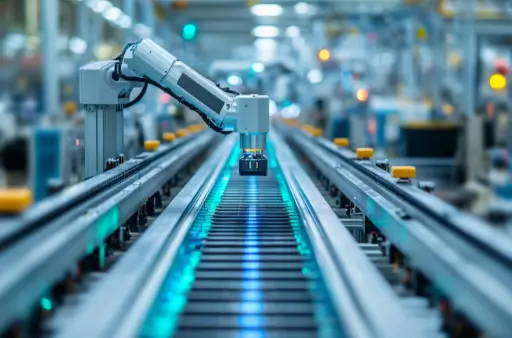

Artificial intelligence embeds real-time data streams from sensors, cameras, and interfaces to detect deviations as they occur. It analyzes defect patterns, forecasts anomalies, and issues actionable alerts with traceable records and continuous metrics. By translating insights into preventive actions, AI standardizes protocols, enables predictive maintenance, and informs risk-based inspections. This disciplined, data-driven approach balances autonomy with decision-making, sustaining quality and resilience while preserving manufacturing flexibility—and invites further examination of its practical implementation.
What AI-Driven Quality Control Looks Like in Manufacturing
AI-driven quality control in manufacturing employs real-time data streams from sensors, cameras, and machine interfaces to detect deviations as they occur. The system analyzes defect patterns and monitors process variables with real time monitoring tools, delivering actionable alerts.
It supports autonomous adjustment recommendations, continuous performance metrics, and traceable records, enabling disciplined autonomy while preserving manufacturing flexibility and workforce empowerment through transparent, data-driven decision processes.
How AI Detects Defects Before They Escalate
Defects can be intercepted before they cascade when AI processes real-time sensor streams, image data, and process logs to identify subtle deviations from established baselines.
The system emphasizes defect forecasting and anomaly detection, delivering early warnings and actionable insights.
See also: mkvmoviespoint1
From Data to Action: Turning Insights Into Preventive Measures
From the insights gained by real-time defect detection, the focus shifts to converting data into concrete preventive actions. Data driven analytics identify failure patterns, enabling targeted interventions before faults emerge.
Operators translate insights into standardized protocols and maintenance windows, supporting predictive maintenance initiatives. This approach reduces variability, strengthens process resilience, and sustains gains through disciplined monitoring and proactive, evidence-based decision making.
Implementing Intelligent QC: Practical Steps and Best Practices
Implementing Intelligent QC requires a structured, data-driven approach that translates real-time insights into stable, repeatable quality control processes.
The methodology emphasizes precise monitoring, rigorous validation, and continuous calibration.
Practitioners establish clear governance, align precision metrics with production goals, and document decision criteria.
Data governance ensures traceability, reproducibility, and accountability, while proactive risk assessment guides anomaly responses and refinement of inspection thresholds.
Frequently Asked Questions
How Quickly Can AI Reduce Defect Rates After Deployment?
The defect reduction speed varies, but initial gains appear within weeks; sustained improvements depend on data quality and process stability. Model retraining cadence should be quarterly, with continuous monitoring; proactive adjustments maximize defect reduction speed and long-term performance.
What Is the Upfront Cost of Ai-Powered QC Systems?
The upfront cost varies by system scope and integration, averaging mid-five to low-six figures; ongoing operational ROI emerges through reduced defects, less rework, and throughput gains, with payback periods typically 6–24 months under data-driven, proactive maintenance assumptions.
Do AI QC Systems Replace Human Inspectors Entirely?
AI quality progress does not replace human inspectors entirely; it augments them. Inspection automation reduces defects, yet humans calibrate nuance, data privacy is protected, and product adaptation remains collaborative for freedom-loving teams.
How Is Data Privacy Managed in AI Quality Control?
Data privacy in AI quality control is managed through data governance and data anonymization, ensuring compliant data handling. The system demonstrates meticulous, proactive practices, preserving operator freedom while safeguarding sensitive information and maintaining auditable, privacy-centered decision processes.
Can AI Adapt to New Products Without Reconfiguration?
AI adaptation is limited; most systems require reconfiguration for new products. Yet, some models exhibit learning agility, improving post deployment speed while leveraging transfer learning, modular pipelines, and continuous data feedback to minimize downtime and maintain proactive quality control.
Conclusion
AI-enabled quality control translates data streams from sensors, cameras, and interfaces into timely, actionable actions that prevent defects and minimize variability. In manufacturing pilots, facilities report up to a 25% reduction in scrap and a 30% improvement in first-pass yield within six months of deploying intelligent QC. The conclusion emphasizes traceability, continuous performance metrics, and proactive maintenance, illustrating how data-driven, disciplined autonomy sustains quality, resilience, and flexible production.