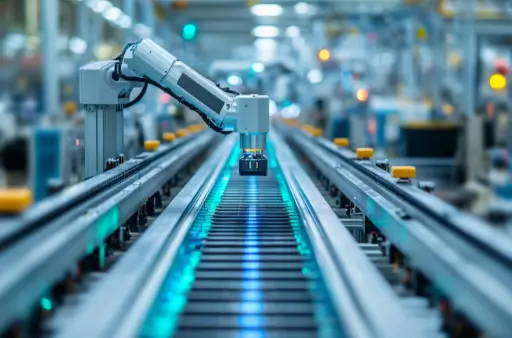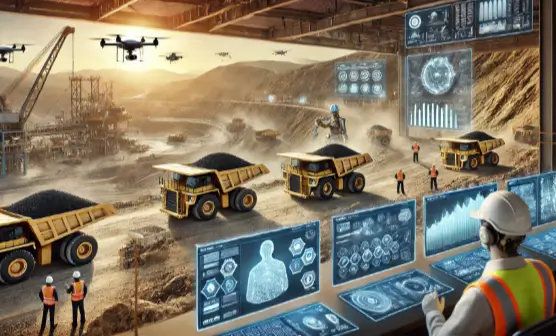

Artificial intelligence reframes mining downtime as a data problem, turning intermittent faults into actionable signals. Predictive maintenance leverages continuous sensors and wear patterns to forecast failures and schedule risk-based windows. Real-time decision acceleration speeds planning, while optimized routing and autonomous scheduling reduce idle movement and fuel burn. Robust governance and explainable AI ensure auditable results. Dashboards translate insights into measurable outcomes, empowering teams to operate with confidence—and the next breakthrough may depend on what comes next.
What AI Brings to Mining Downtime Reduction
AI brings a structured approach to mining downtime reduction by turning intermittent failures into predictable, actionable data.
The framework emphasizes data governance, ensuring trusted inputs and auditable outcomes.
Explainable AI translates complex signals into clear rationale, enabling operators to verify decisions.
This vision blends transparency with practicality, empowering teams to act confidently, optimize schedules, and sustain freedom through measurable, data-driven improvements.
Predictive Maintenance: Catching Failures Before They Strike
Predictive maintenance transforms downtime reduction from a reactive concern into a proactive discipline by anticipating failures before they derail operations.
In practice, sensors feed continuous streams, algorithms detect subtle wear patterns, and maintenance windows align with actual risk, not calendar rote.
Predictive maintenance accelerates decision-making, while failure forecasting translates data into actionable intervals, reducing surprises and enabling purposeful, freedom-driven asset stewardship.
See also: How Artificial Intelligence Helps Reduce Manufacturing Errors
Optimized Operations: Smarter Routing, Scheduling, and Autonomy
Optimized operations leverage smarter routing, scheduling, and autonomous systems to minimize wasted movements, align resource deployment with real-time demand, and sustain steady production.
Through data-driven päätns, fleets of autonomous units coordinate tasks, reducing idle time and fuel burn while boosting throughput.
The approach enables adaptive planning, smarter routing, and autonomous scheduling that empower operators with freedom to pursue higher-value outcomes.
Measuring Impact: Dashboards, KPIs, and Real-World Outcomes
Measuring impact hinges on translating complex mining dynamics into clear, actionable metrics. Dashboards translate downtime drivers into real-time insight, enabling rapid decisions. KPIs align operations with safety, throughput, and cost goals, while real-world outcomes validate AI performance beyond simulations. Data governance ensures accountability, data quality underpins trust, and transparent reporting fuels continuous improvement across teams seeking freedom through informed autonomy.
Frequently Asked Questions
How Do AI Models Handle Data Privacy in Mining Operations?
AI models safeguard data privacy through encryption, access controls, and anonymization, while rigorous model governance ensures accountability, audits, and compliance. This enables transparent, data-driven decisions in mining operations, supporting freedom with responsible, pragmatic, visionary stewardship.
Can AI Predict Downtime Without Historical Failure Data?
Like a weathered oracle, AI cannot predict downtime without historical failure data. Its vision is limited by AI limitations and data labeling challenges, yet data-driven pragmatism guides explorers toward proactive monitoring and continuous improvement for freedom-loving operations.
What Are the Initial Costs of AI Adoption for Mines?
AI adoption costs for mines vary, with upfront hardware, software, and training expenditures. ROI considerations hinge on data privacy concerns, integration with legacy gear, and cybersecurity risks, balanced by reliability versus overreliance, change management challenges, and ongoing vendor lock-in.
How Is AI Integrated With Legacy Mining Equipment?
AI integration enables seamless control, predictive maintenance, and real-time optimization of equipment. By leveraging Legacy interfacing, operators extend asset life, reduce rework, and extract value from existing rigs while pursuing autonomous, data-driven decision frameworks for freedom and efficiency.
What Are the Risks of Over-Reliance on AI Insights?
A compass misplaced in fog, overreliance on AI insights risks misdirection. Overfitting risks compromise model generalization, and data bias skew decisions, threatening resilience. Visionaries seek robust validation, transparency, and adaptable systems to preserve autonomy and freedom.
Conclusion
In the evolving landscape of mining, AI transforms downtime from an inevitability into a manageable constraint. By stitching predictive maintenance with real-time decision acceleration, operations become noticeably leaner, faster, and more resilient. The data-driven narrative shows fewer unexpected stoppages, smarter routing, and autonomous scheduling that trims fuel burn without compromising safety. The result is a future where uptime is nearly limitless—an almost mythical reliability grounded in measurable KPIs, dashboards, and transparent governance.